The global seafood industry operates through one of the world's most complex food supply chains, connecting fishermen, aquaculture producers, processors, exporters, distributors, retailers, and consumers across continents. As demand for seafood continues to rise, ensuring efficiency, sustainability, and traceability throughout this journey has become increasingly important.
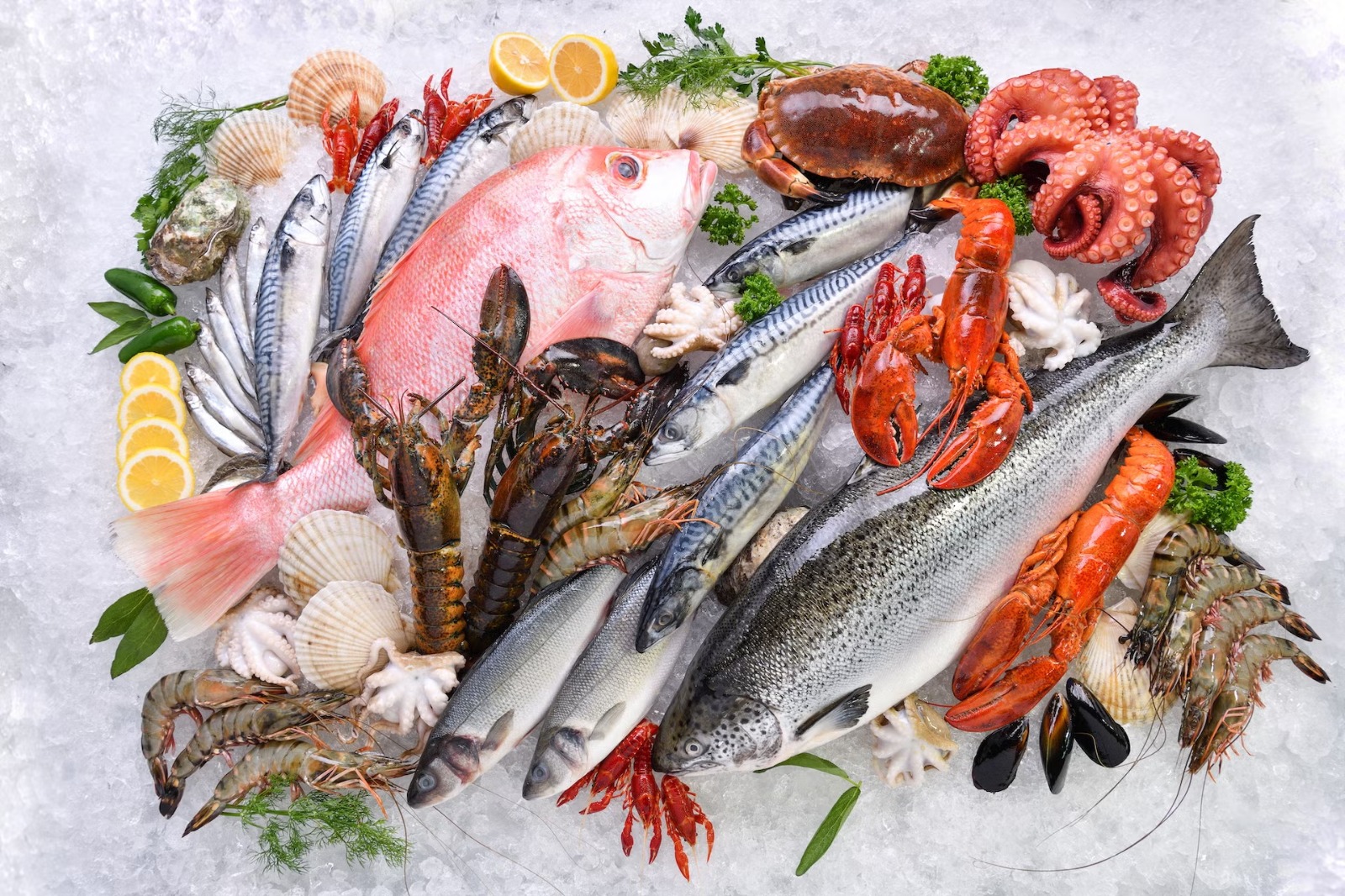
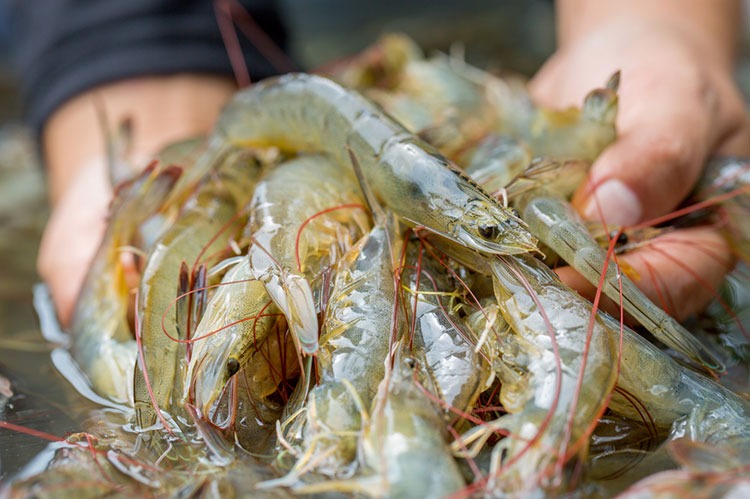
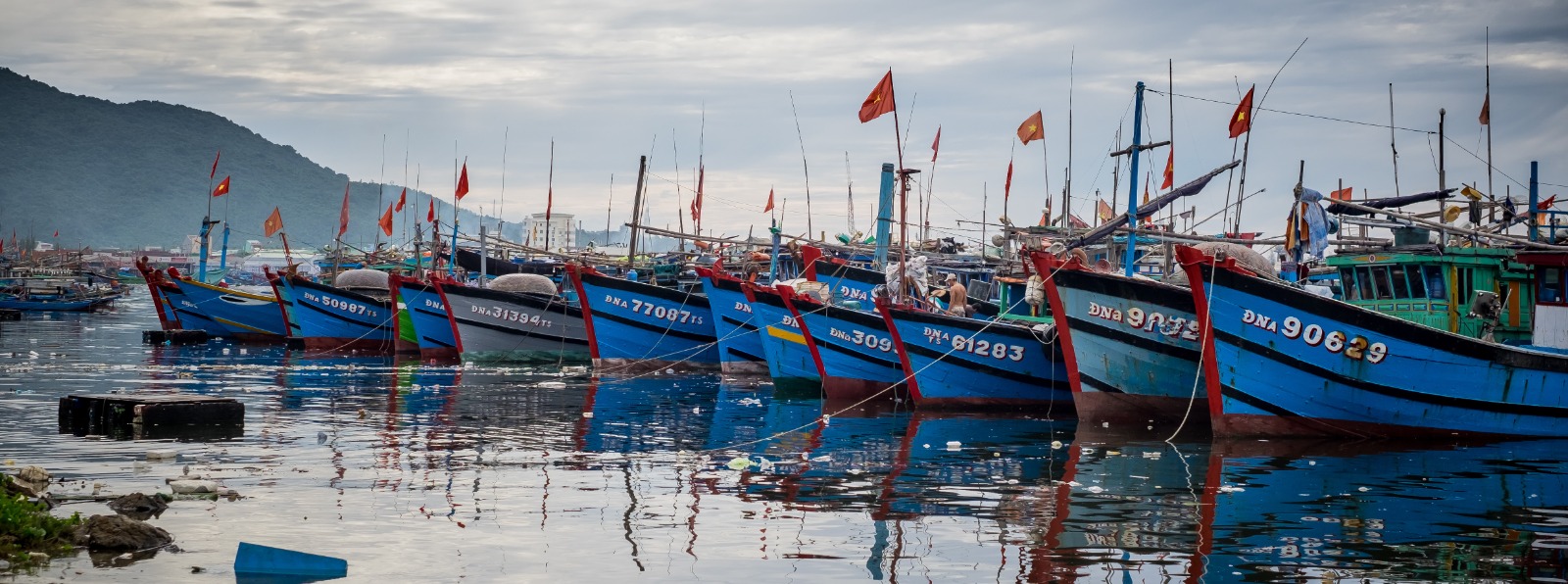
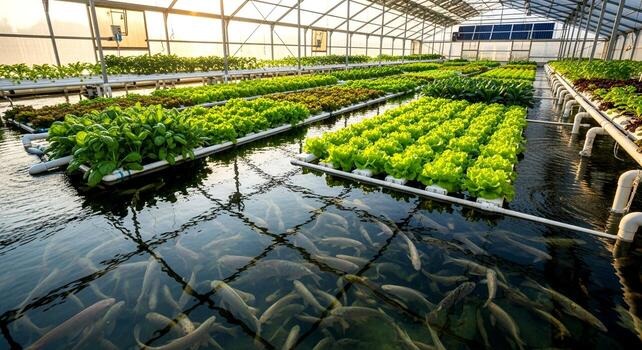
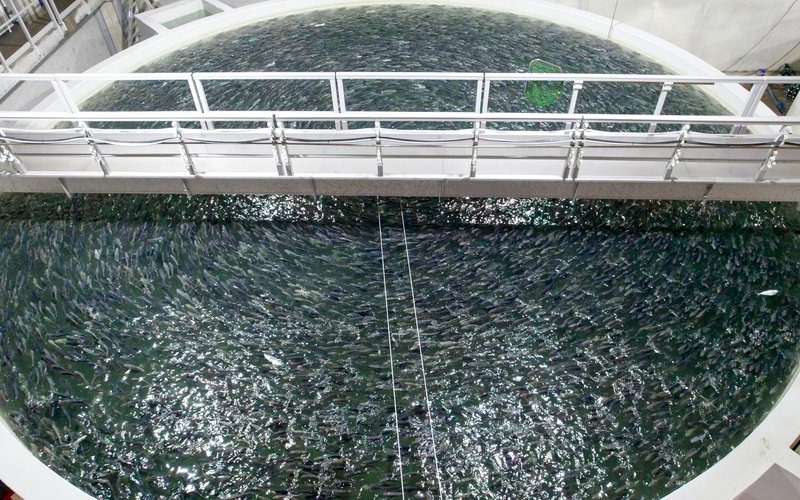
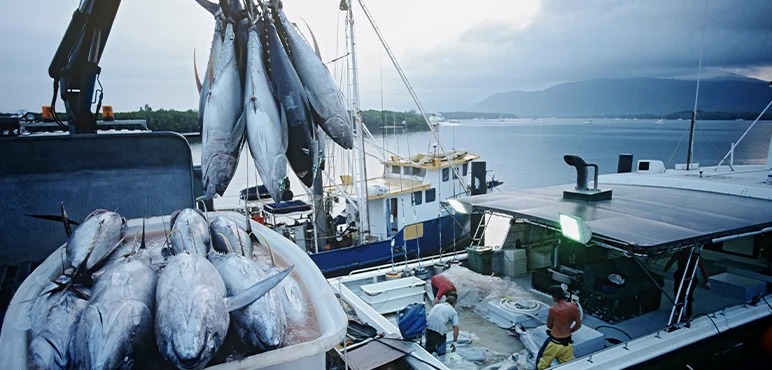
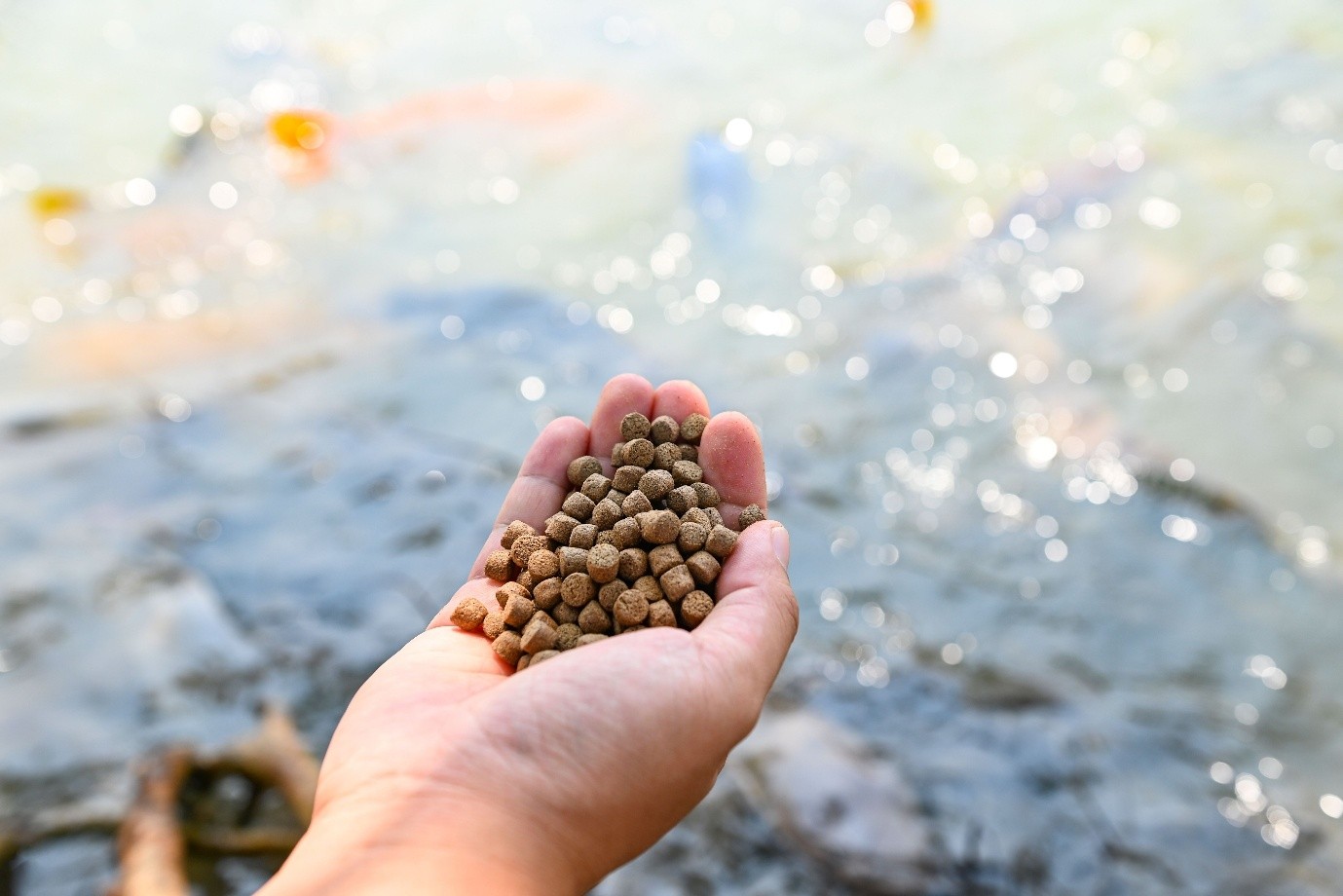
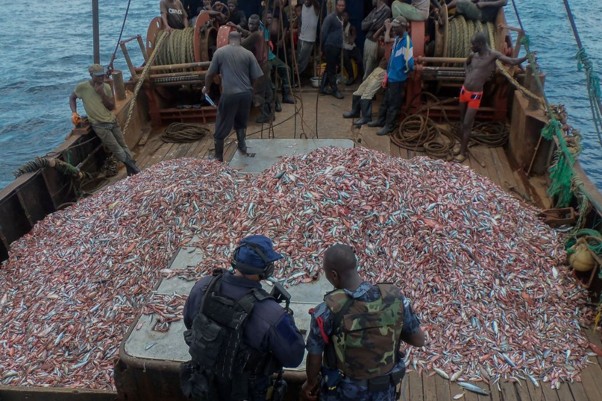
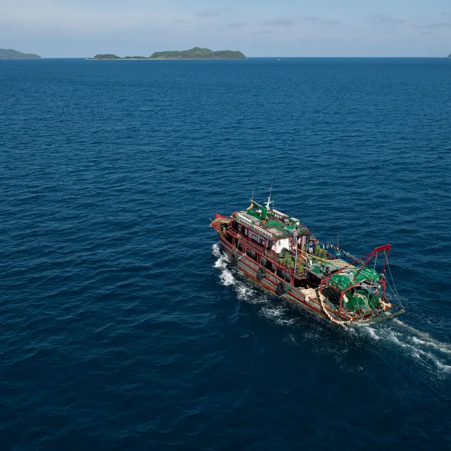
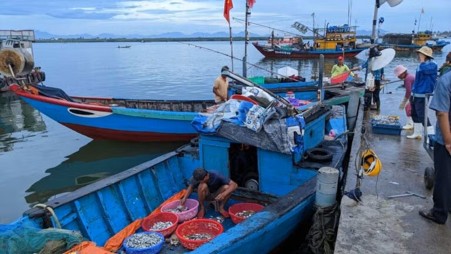
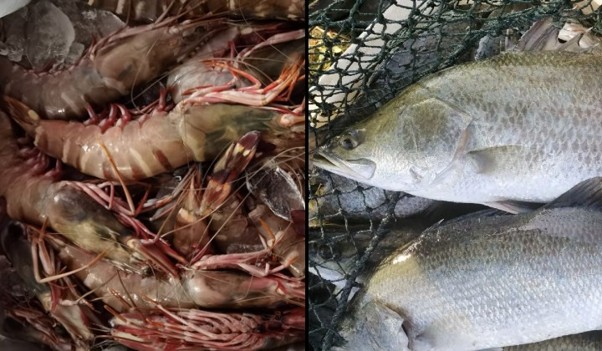
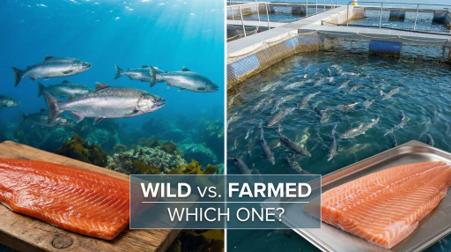
Seafood begins its journey either in wild capture fisheries or aquaculture farms. Commercial fishing vessels harvest fish, shrimp, shellfish, and other marine species from oceans, rivers, and lakes, while aquaculture operations produce a growing share of the world's seafood through controlled farming systems. According to the Food and Agriculture Organization (FAO), aquaculture now accounts for more than half of all seafood produced for human consumption globally.
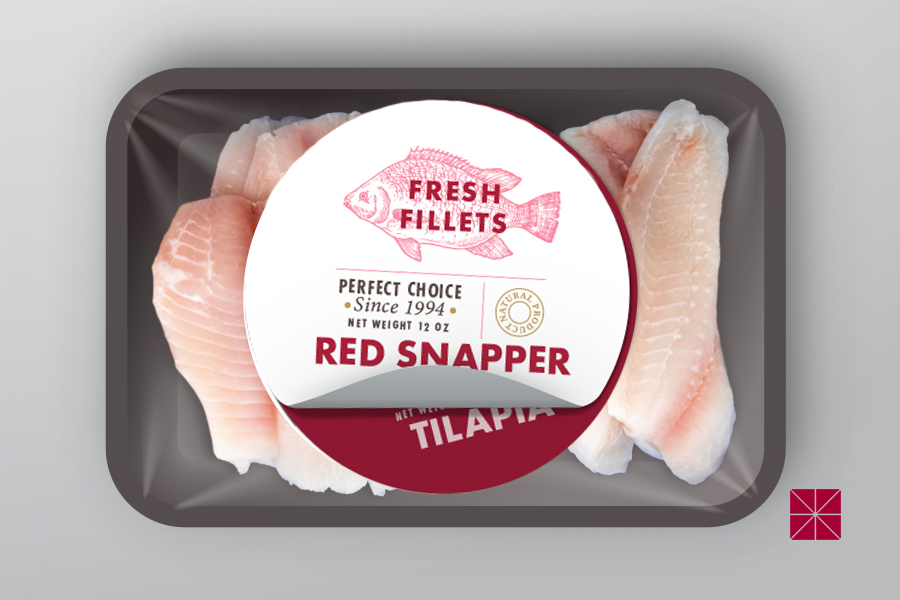
Once harvested, seafood is transported to processing facilities where it undergoes grading, cleaning, packaging, freezing, value-added processing, and quality inspections. Maintaining the cold chain at every stage is essential to preserving product quality, food safety, and shelf life.
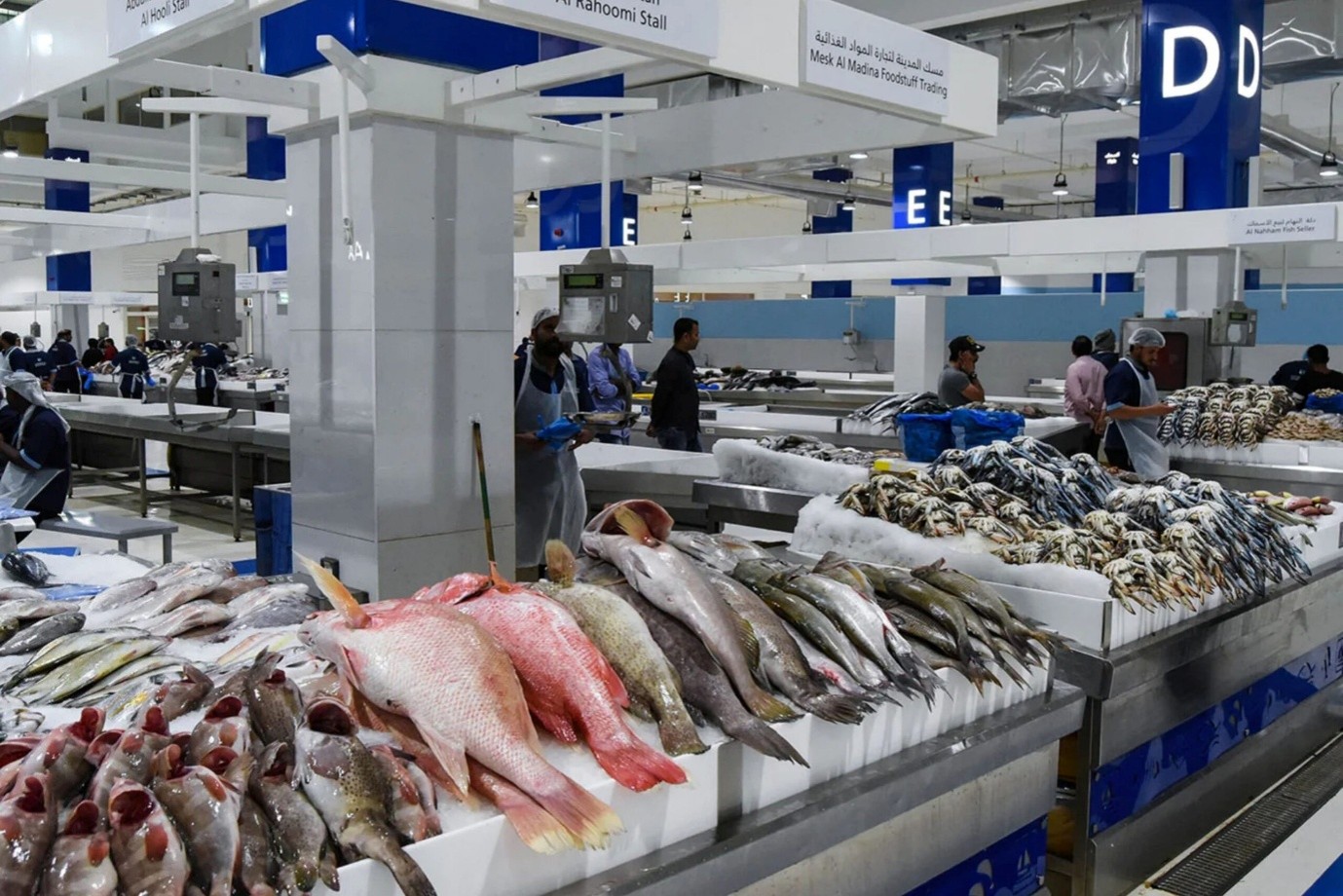
From processing plants, seafood enters a vast international trade network. Major exporting nations such as China, Vietnam, India, Norway, Ecuador, Thailand, Indonesia, and Chile supply seafood products to markets across North America, Europe, the Middle East, and Asia. Many seafood products cross multiple international borders before reaching consumers, reflecting the highly interconnected nature of the industry.
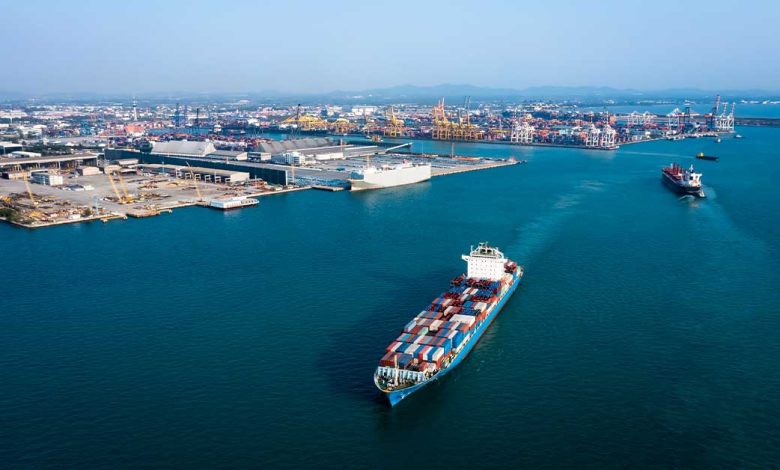
Transportation plays a critical role in the supply chain. Refrigerated containers, air freight, and specialized cold-storage logistics ensure seafood products can move efficiently across long distances while maintaining freshness and compliance with food safety standards.
In recent years, traceability and transparency have become central priorities for seafood businesses. Retailers, regulators, and consumers increasingly demand information regarding product origin, harvesting methods, sustainability certifications, and environmental impact. Digital technologies such as blockchain, QR codes, electronic catch documentation, and supply chain monitoring systems are helping improve accountability throughout the seafood value chain.
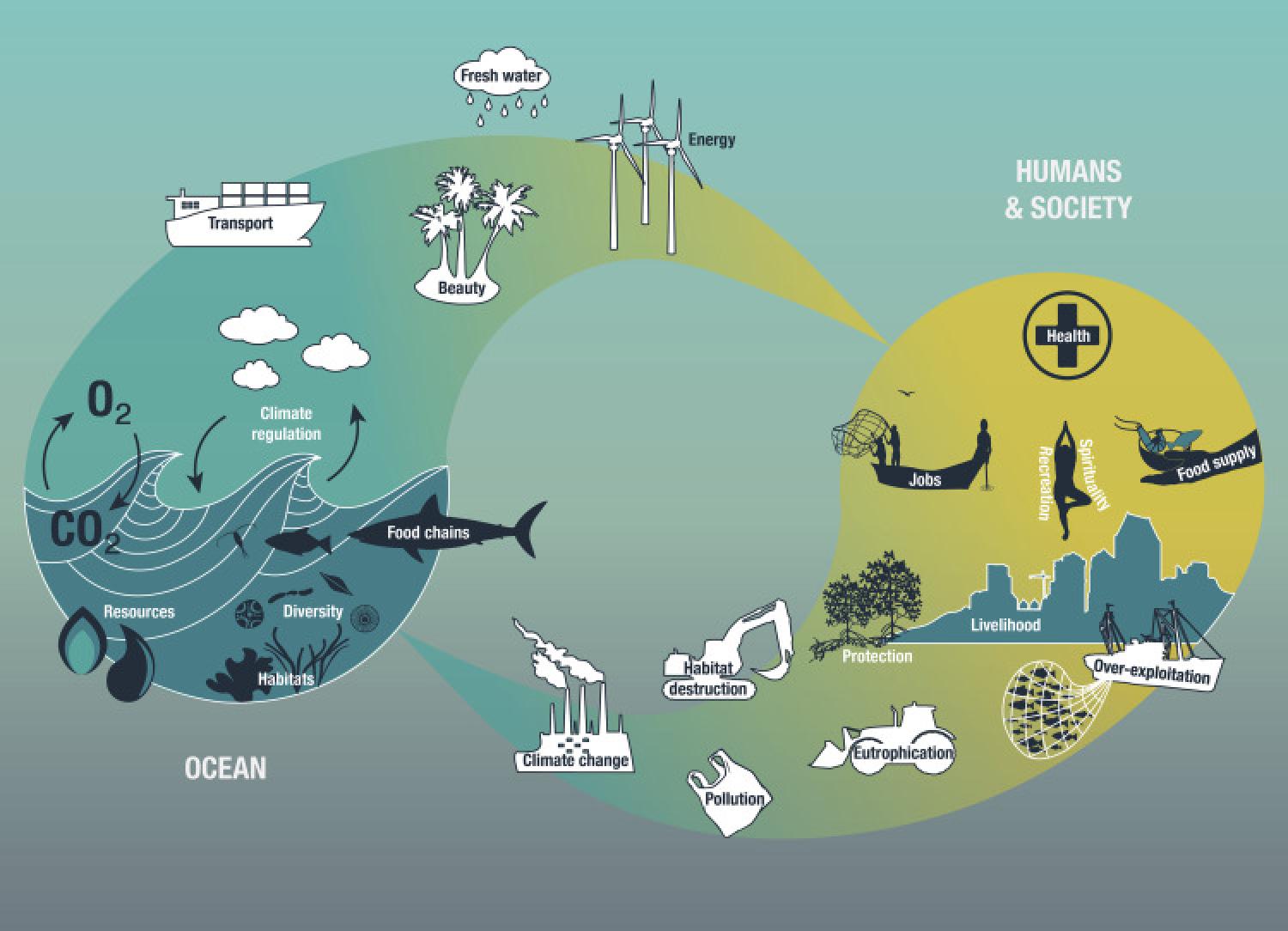
Sustainability considerations are also reshaping industry practices. Governments, certification bodies, and seafood companies are investing in responsible fisheries management, sustainable aquaculture production, carbon footprint reduction, and measures to combat illegal, unreported, and unregulated (IUU) fishing.
Despite significant advancements, challenges remain. Climate change, trade disruptions, rising fuel costs, disease outbreaks, labor shortages, and evolving regulatory requirements continue to affect seafood supply chains worldwide. Industry stakeholders are increasingly focused on building resilience through innovation, diversification, and digital transformation.
As global seafood consumption continues to grow, the industry's ability to deliver safe, sustainable, and traceable products from ocean and farm to consumer will remain essential. The future of the seafood supply chain will depend on collaboration across governments, producers, processors, logistics providers, retailers, and consumers working together to strengthen transparency, sustainability, and food security.
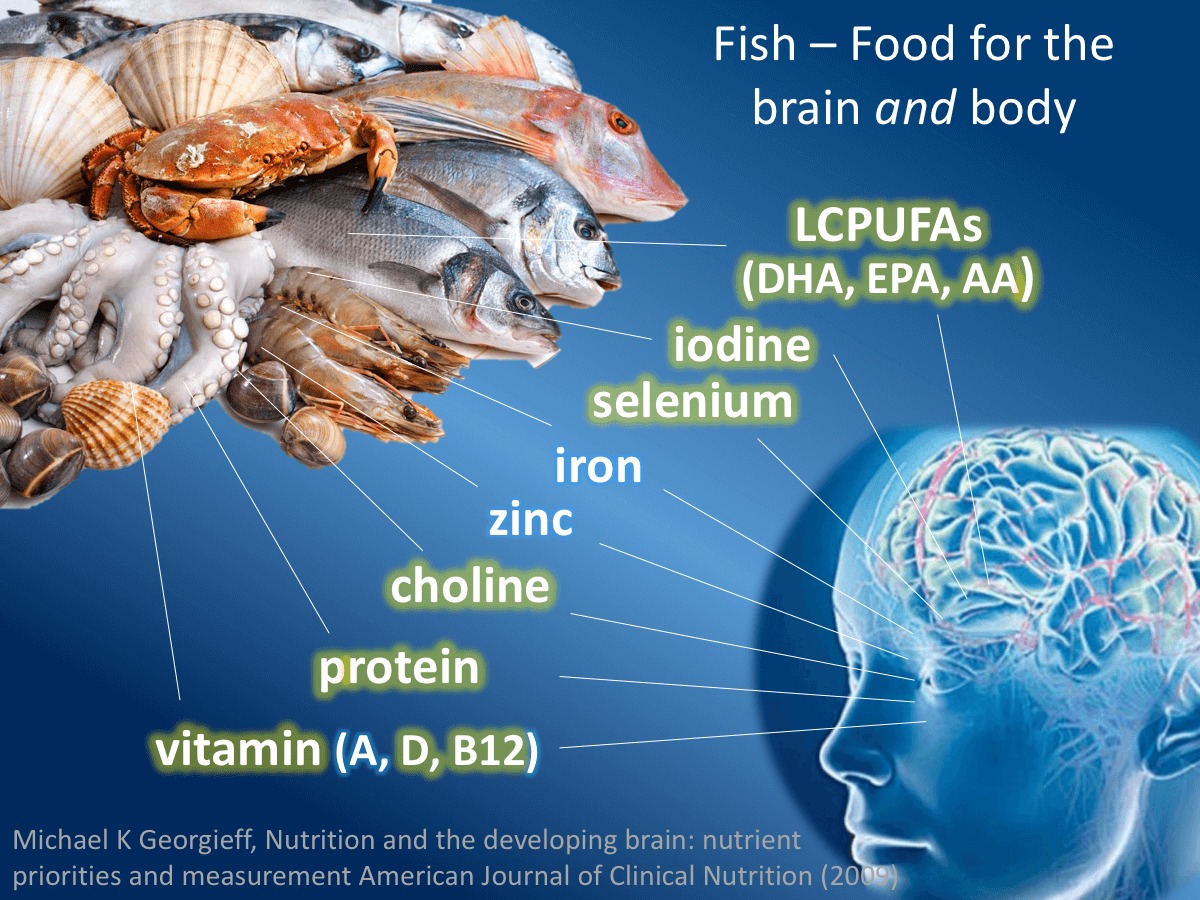
From the fishing vessel and aquaculture pond to supermarket shelves and restaurant tables, the global seafood supply chain remains a vital contributor to nutrition, employment, trade, and economic development worldwide.