
Marine scientists and global environmental agencies are warning that the world’s oceans are approaching a dangerous tipping point as climate change, plastic pollution and ocean acidification intensify simultaneously.
From collapsing coral reefs to rising chemical contamination, experts say the health of marine ecosystems is deteriorating faster than previously predicted.
One of the biggest concerns remains coral bleaching. Scientists estimate that even if global warming is limited to 1.5°C, up to 90 percent of coral reefs could disappear by 2050 due to prolonged marine heatwaves.
Environmental groups describe coral reefs as the “rainforests of the sea,” supporting marine biodiversity, fisheries, tourism and coastal protection. Yet mass bleaching events are now being reported more frequently across tropical waters.
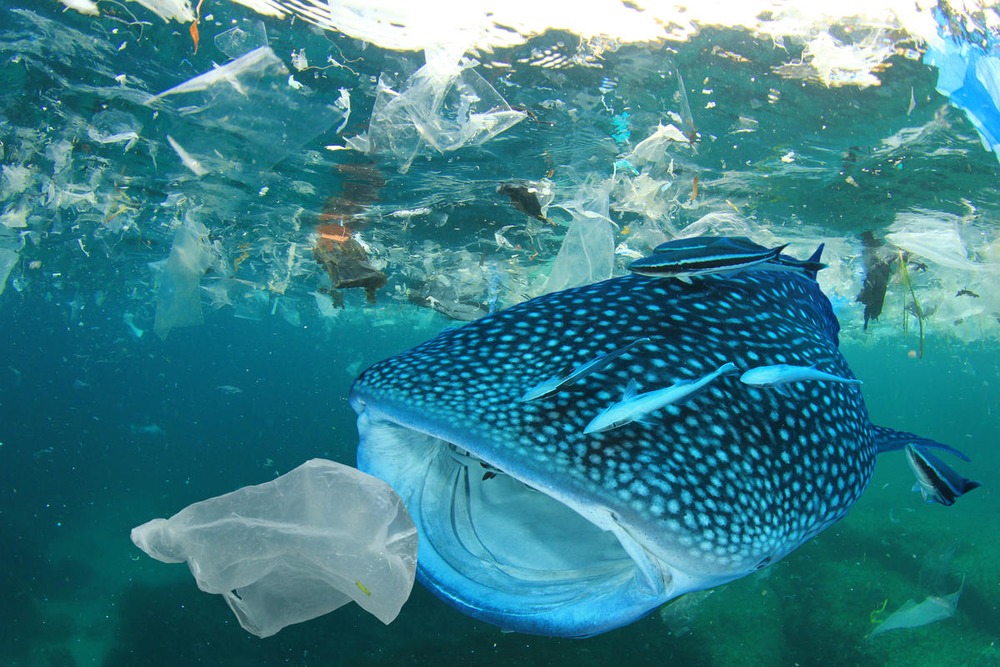
At the same time, marine pollution continues to rise. According to recent estimates, billions of pounds of waste enter oceans every year, with plastic remaining one of the largest threats to marine ecosystems.
Some projections suggest plastic waste in the oceans could outweigh fish by 2050 if global consumption patterns continue unchanged.
The issue is no longer limited to visible plastic debris. New studies are now raising alarms about chemical pollution and microplastic-associated toxins spreading through marine food chains and potentially impacting human health.
Ocean acidification is adding another layer of concern. Scientists recently warned that global ocean acidity has crossed critical thresholds for marine life in several regions, threatening shellfish, coral ecosystems and plankton populations that form the foundation of marine food webs.
The United Nations has described the oceans as being “in a state of emergency,” warning that ocean warming, acidification, eutrophication and pollution are threatening both marine ecosystems and global food security.
For seafood industries, policymakers and environmental organizations, the growing consensus is clear: protecting ocean health is no longer just an environmental priority — it is becoming an economic and food security necessity.