Aquaculture Is No Longer Just About Producing Fish — It Is Evolving to Reduce Carbon Footprint
The global aquaculture industry is entering a new era where sustainability and climate responsibility are becoming just as important as production growth.
Explore innovation, sustainability, AI-driven aquaculture, seafood traceability and the future of responsible blue food systems.
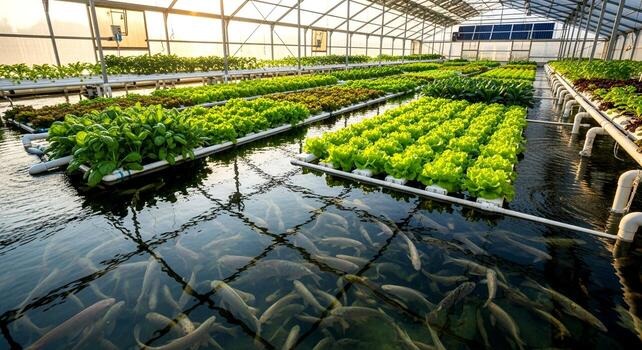
The global aquaculture industry is entering a new era where sustainability and climate responsibility are becoming just as important as production growth.
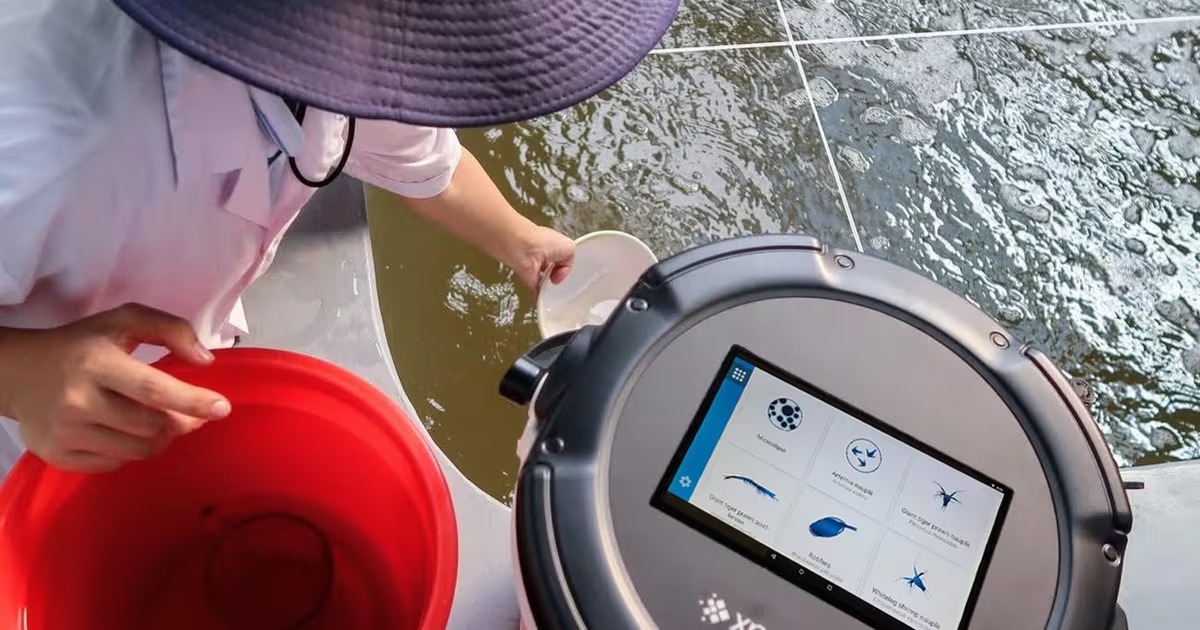
The global shrimp farming industry is entering a transformative phase as producers increasingly adopt advanced technologies and sustainable practices.
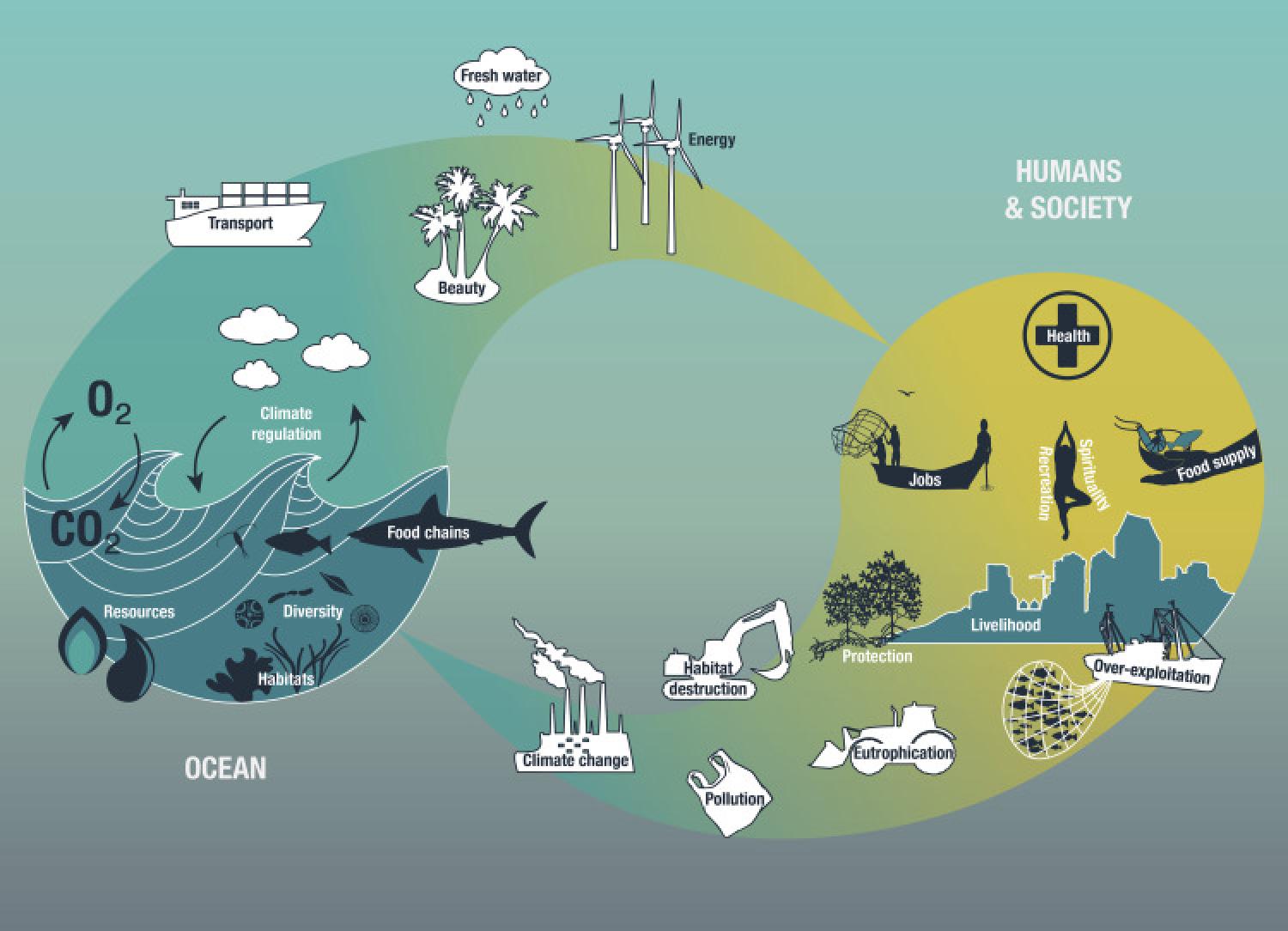
Artificial intelligence is becoming a powerful tool for improving aquaculture efficiency, fish health, and ocean sustainability.
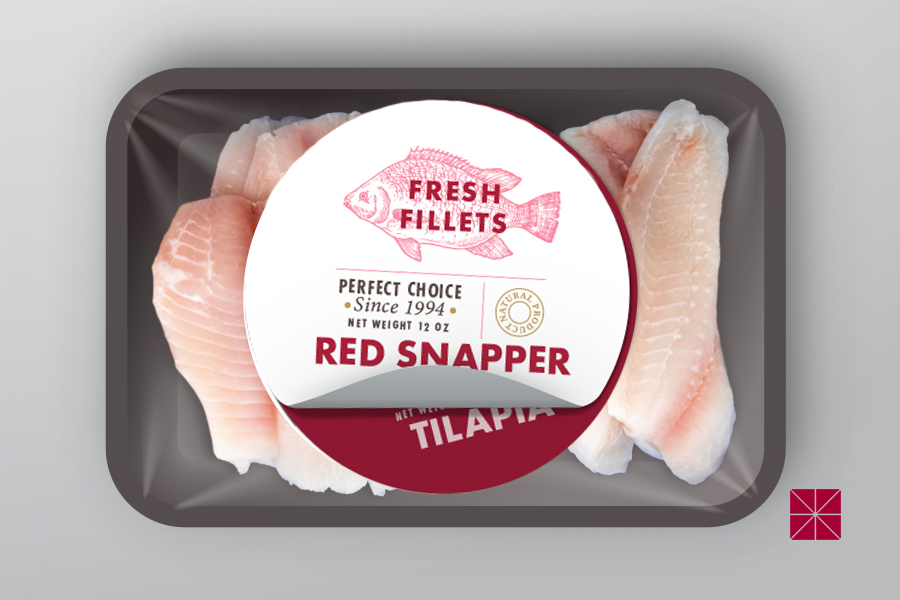
Thailand’s food safety authorities have launched a major crackdown on seafood labelling practices after a viral consumer complaint.
The global aquaculture industry is entering a new era where sustainability and climate responsibility are becoming just as important as production growth. Once primarily focused on increasing seafood output, aquaculture is now rapidly transforming into a sector driven by carbon reduction, resource efficiency and environmentally responsible innovation.
Across the world, fish and shrimp farming companies are adopting technologies designed not only to improve productivity, but also to lower environmental impact. From AI-powered shrimp ponds and precision feeding systems to sustainable aquafeed ingredients and water-recycling technologies, the industry is increasingly aligning itself with global climate and net-zero goals.
Experts say such technologies are important because feed use, water exchange and energy consumption are among the largest contributors to aquaculture’s carbon footprint. RAS and biofloc systems help address these challenges by recycling water, converting waste into usable nutrients and reducing dependence on large-scale water resources.
In states such as Karnataka, Punjab and several northeastern regions, young entrepreneurs are increasingly embracing climate-smart aquaculture models as profitable and sustainable alternatives to traditional agriculture.
A recent example from Belagavi attracted national attention after Prime Minister Narendra Modi praised a farmer successfully using scientific murrel fish farming through biofloc systems to generate strong economic returns while using fewer natural resources.
Technology is also becoming a major driver of low-carbon aquaculture.
Artificial intelligence and machine learning tools are now being integrated into fish and shrimp farms to optimize feeding schedules, monitor water quality and predict disease outbreaks in real time. Researchers say these systems can reduce unnecessary feed usage, lower energy consumption and improve overall operational efficiency.
Emerging studies suggest AI-driven aquaculture could significantly reduce waste generation while improving sustainability performance across commercial farms.
Industry observers describe this shift as the rise of “Aquaculture 4.0” — a new generation of seafood farming built around automation, precision management and environmental accountability.
Feed innovation is becoming another critical area in the industry’s carbon reduction strategy.
For governments, seafood companies and global food industries, the message is becoming increasingly clear: the future of aquaculture will not be defined only by how much seafood it produces — but by how efficiently, responsibly and sustainably it can produce it while reducing environmental impact.
These systems are helping farmers reduce feed waste, improve survival rates and detect disease outbreaks earlier than traditional methods.
The global shrimp farming industry is entering a transformative phase as producers increasingly adopt advanced technologies, genetic innovations and sustainable farming practices to meet rising seafood demand.
Industry analysts say shrimp aquaculture is no longer driven solely by production volume. Instead, producers are focusing on efficiency, biosecurity, disease resistance and environmental responsibility.
One of the biggest developments is the rapid adoption of smart aquaculture technologies. Across Asia and Latin America, shrimp farms are installing AI-enabled sensors capable of monitoring dissolved oxygen, salinity, temperature and feeding behavior in real time.
Researchers say artificial intelligence may become one of the most disruptive technologies in aquaculture over the next decade. Automated systems can already analyze shrimp movement patterns and predict stress conditions before visible symptoms emerge.
Disease management remains a major concern for the industry. Pathogens such as Early Mortality Syndrome (EMS) and White Spot Syndrome Virus (WSSV) continue to impact global shrimp production, causing billions of dollars in annual losses.
In response, hatcheries are investing heavily in selective breeding and Specific Pathogen Free (SPF) shrimp genetics. Experts say stronger genetic lines combined with improved nutrition are significantly improving resilience and farm performance.
Feed innovation is also reshaping the sector. Companies are now exploring algae oils, insect proteins and microbial ingredients as alternatives to fishmeal and fish oil.
Sustainability experts say these ingredients could reduce pressure on marine resources while lowering aquaculture’s environmental footprint.
AI-enabled sensors and predictive analytics are transforming farm efficiency and disease management.
Beneficial microbial systems recycle nutrients within ponds and reduce water exchange requirements.
Another fast-growing trend is biofloc shrimp farming. The system uses beneficial microbial communities to recycle waste nutrients within ponds, reducing water exchange and improving sustainability.
Biofloc production is gaining popularity in India, Indonesia and Vietnam, particularly among small and medium-scale farmers seeking higher profitability.
According to industry experts, global shrimp consumption continues to rise due to changing dietary habits and increasing consumer preference for high-protein seafood products.
However, buyers are also demanding greater traceability and responsible sourcing.
Retailers and seafood brands are increasingly requesting certifications linked to sustainability, antibiotic-free production and environmental compliance.
Industry leaders believe the future of shrimp farming will depend on balancing profitability with ecological responsibility.
For conference organizers and seafood industry stakeholders, shrimp aquaculture is expected to remain one of the most dynamic sectors in global seafood production — driven by innovation, sustainability and rapidly evolving consumer expectations.
Artificial intelligence is becoming a powerful tool for improving aquaculture efficiency, fish health, and ocean sustainability. As seafood producers face rising disease outbreaks, climate pressures, and the need for sustainable protein production, technology companies are turning to AI-driven data systems to help farms make faster and smarter decisions.
One company leading this transformation is Manolin, an aquaculture analytics startup cofounded by Tony Chen and John Costantino in 2018. The company focuses on using biological AI models and real-time farm data to reduce mortality rates, predict disease risks, and improve operational efficiency across fish and shellfish farms.
According to Chen, the goal of AI in aquaculture is not to replace farmers, but to strengthen their decision-making abilities. Experienced farmers already rely heavily on observation and instinct, but AI systems can analyze vast amounts of data to identify hidden patterns and provide faster operational insights.
From deciding the best harvesting time to choosing feed strategies or vaccination schedules, AI-powered systems are helping aquaculture farms evaluate trade-offs instantly and respond more effectively to changing conditions.
The idea behind Manolin began after Chen graduated from Massachusetts Institute of Technology and worked on large-scale data systems for U.S. federal agencies in Washington D.C. During that time, Chen and his roommate met oyster farmers in Virginia’s Chesapeake Bay region who were struggling with unexplained oyster mortality.
The farmers’ challenges inspired the founders to explore how big data and predictive analytics could be applied to aquaculture. They realized that the same pattern-recognition technologies used in other industries could help seafood producers better understand environmental conditions, disease outbreaks, and production performance.
One of the company’s major areas of focus has been fish disease prediction. Since the founders initially lacked expertise in aquatic animal health, they spent years gathering scientific studies, research papers, and disease-related information. This eventually evolved into an open-source disease knowledge library used by both industry professionals and emerging AI systems.
However, as AI platforms began referencing the database, the team recognized the risks of spreading unverified information. In response, Manolin secured research funding from the Research Council of Norway and the FHF seafood research program in 2026 to improve scientific accuracy within the library.
The funding will support updates to dozens of fish disease profiles, the addition of expert-reviewed content, and the creation of a moderation system allowing researchers and industry experts to contribute verified information.
Chen believes AI technology in aquaculture will continue evolving rapidly. Future applications may include advanced seafood processing automation, improved disease diagnostics, and scientific breakthroughs that could reshape understanding of fish health and treatment methods.
Despite concerns about AI’s environmental footprint and energy consumption, Chen argues that sustainable aquaculture remains one of the world’s most important opportunities for producing low-impact protein while reducing pressure on wild marine ecosystems.
As global demand for seafood continues rising, AI-driven aquaculture may become a key solution for balancing food security, environmental sustainability, and ocean health in the decades ahead.
Thailand’s food safety authorities have launched a major crackdown on seafood labelling practices after a viral consumer complaint exposed alleged mislabelling in canned fish products sold in local markets.
The incident has reignited concerns over transparency, seafood traceability, and consumer trust within Southeast Asia’s rapidly growing seafood industry.
The controversy began when social media users shared images and videos claiming that canned fish products marketed as premium seafood varieties appeared inconsistent with the labelling displayed on the packaging.
The posts quickly gained public attention, prompting Thailand’s food safety and fisheries agencies to investigate the products and inspect distribution channels.
Following inspections, authorities reportedly seized several batches of canned seafood products suspected of containing inaccurate labelling or misleading product information.
Officials stated that protecting consumers and maintaining confidence in Thailand’s seafood export sector remain top priorities.
Thailand is one of the world’s leading seafood exporters, particularly in canned tuna, shrimp, and processed seafood products.
The country’s seafood sector plays a major role in global supply chains supplying products to markets across Asia, Europe, and North America.
Because of this, accurate labelling and product traceability are considered essential for maintaining international trade standards and consumer confidence.
Industry experts say seafood mislabelling has become a growing global challenge due to complex supply chains and increasing demand for processed seafood products.
Incorrect labelling can involve species substitution, misleading origin claims, or inaccurate product descriptions, all of which may impact food safety, sustainability efforts, and market transparency.
Consumer advocacy groups in Thailand welcomed the authorities’ swift response, arguing that stronger monitoring systems are needed to prevent fraudulent seafood practices and improve accountability across the processing sector.
The incident has also intensified discussions around the role of digital traceability systems and AI-powered seafood verification technologies.
Many seafood companies are now investing in blockchain tracking, QR-code product tracing, and DNA testing tools to strengthen transparency from ocean to retail shelves.
Thai regulators indicated that additional inspections and stricter enforcement measures could follow as investigations continue.
Authorities are also encouraging consumers to report suspicious seafood products and labelling irregularities to food safety agencies.
As seafood consumption continues rising worldwide, experts believe traceability, authenticity testing, and transparent labelling will become increasingly important for protecting both public health and the long-term reputation of global seafood markets.