Over the past seven years, Captain Fresh has grown from a startup into one of India’s leading seafood supply-chain technology firms, but founder and CEO Utham Gowda believes the company’s larger mission goes far beyond business expansion. His focus remains on reshaping how seafood is viewed in modern food systems and bringing innovation into an industry often considered traditional and fragmented.
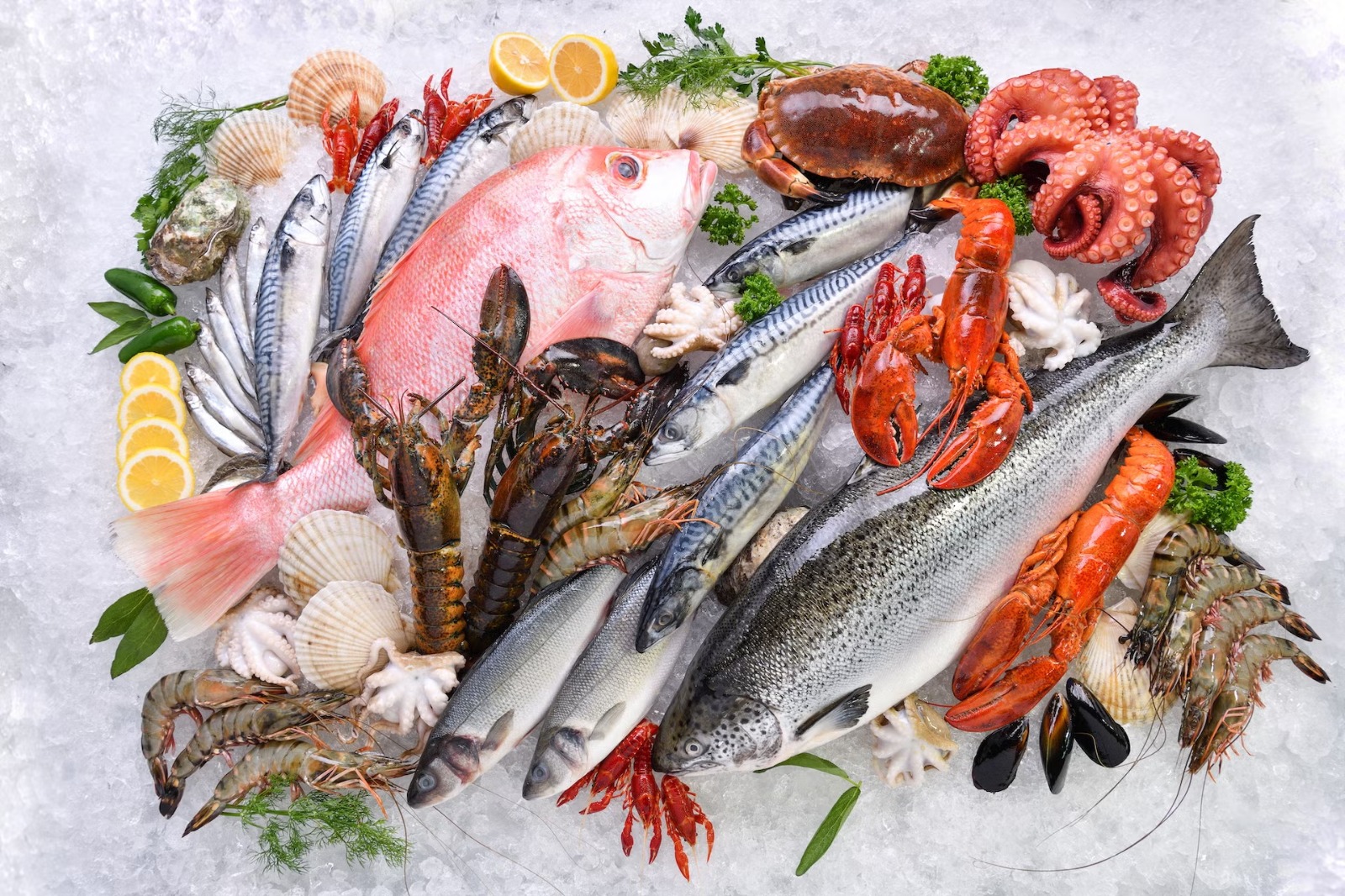
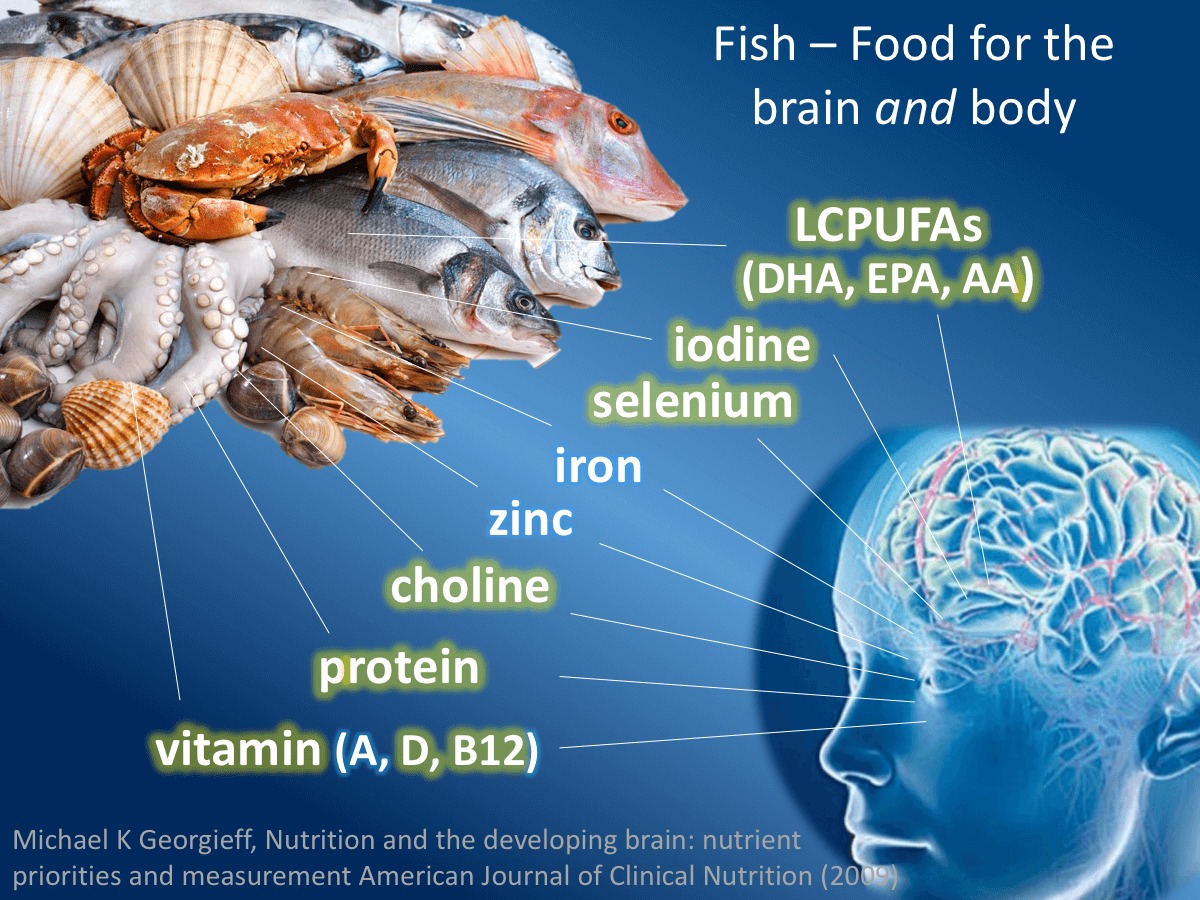
Seafood continues to be one of the world’s most valuable sources of nutrition, providing essential proteins, omega-3 fatty acids, and critical micronutrients to millions of people globally. Yet compared to other food categories, the seafood sector has historically struggled with inconsistent supply chains, limited branding, and low consumer awareness regarding quality and sustainability.
Captain Fresh was created to bridge those gaps by introducing technology-driven solutions that improve efficiency across seafood sourcing, distribution, and retail networks. By integrating digital procurement systems, cold-chain logistics, and real-time inventory management, the company aims to create a more transparent and reliable seafood ecosystem.
The company’s growth reflects a wider shift occurring throughout the aquaculture and fisheries sector, where digital transformation is becoming increasingly important. Businesses across the seafood value chain are now adopting data analytics, traceability systems, and automation technologies to meet growing consumer expectations for freshness, sustainability, and food safety.
Gowda has repeatedly emphasized the importance of changing public perception around seafood. While consumers today are becoming more health conscious and environmentally aware, many still lack access to clear information about seafood sourcing, nutritional value, and responsible production methods.
Technology companies like Captain Fresh are trying to address this challenge by making seafood supply chains more organized and consumer focused. Improved traceability tools allow businesses and customers to better understand where products originate, how they are handled, and whether they meet sustainability standards.
The global seafood market is also evolving due to rising demand for sustainable protein sources. Experts increasingly view aquaculture and responsible fisheries as critical components of future food security strategies, especially as populations grow and environmental pressures on terrestrial agriculture intensify.
India has emerged as one of the world’s major seafood-producing nations, particularly in shrimp aquaculture and seafood exports. Companies such as Captain Fresh are contributing to this growth by helping modernize infrastructure and connect producers more efficiently with domestic and international buyers.
In addition to commercial expansion, the company’s long-term vision centers on improving seafood accessibility and positioning seafood as a premium, trusted, and technology-enabled food category. Analysts believe this approach could help attract younger consumers and strengthen confidence in seafood products across global markets.
As digital innovation continues reshaping food industries worldwide, Captain Fresh’s strategy highlights how technology, sustainability, and nutrition are increasingly becoming interconnected within the future of seafood and aquaculture.